- 0
- 1,039 word
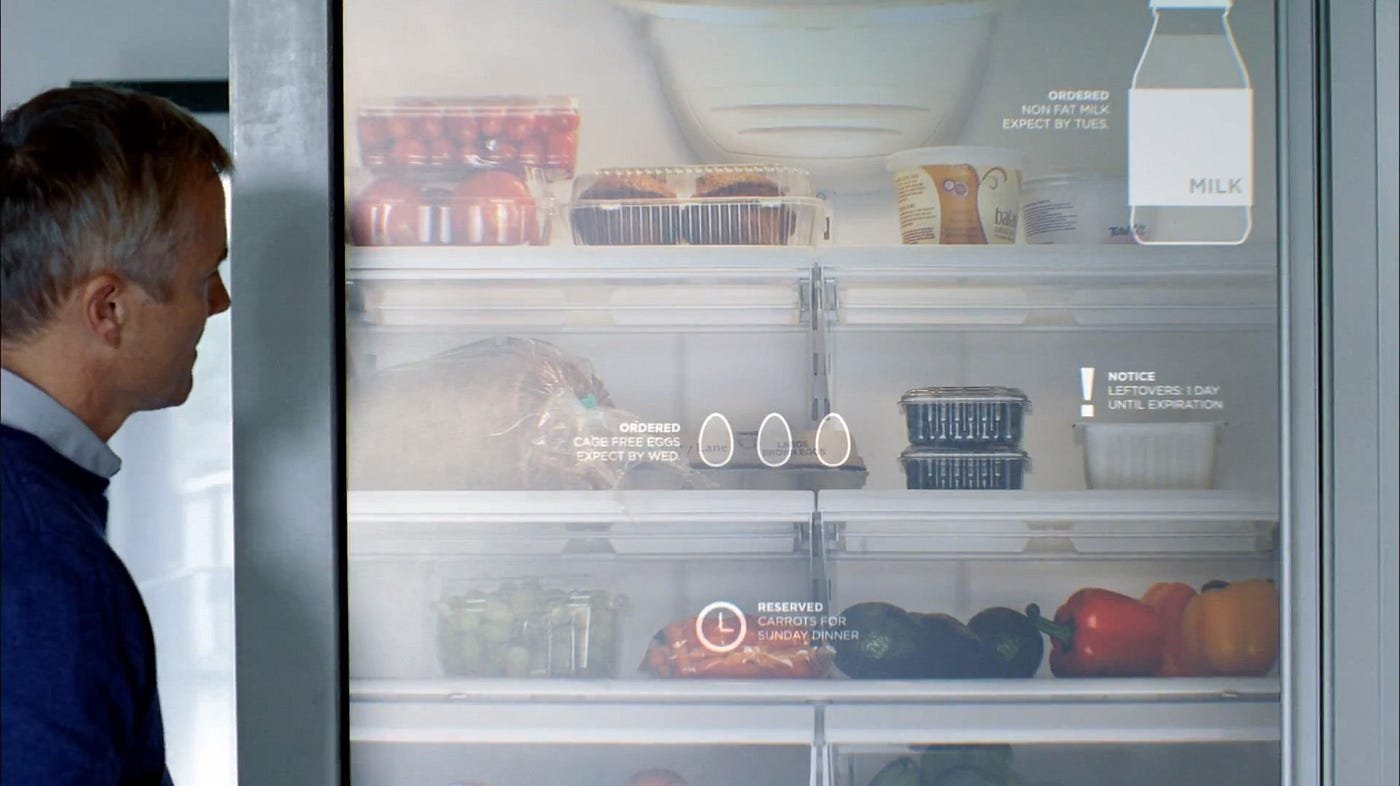
Imagine opening your refrigerator to find that your expensive groceries have stayed fresh days longer than usual. This isn’t just luck; it is the result of modern kitchen technology. By utilizing Smart Fridge Hacks: Sensors That Prevent Food from Spoiling, homeowners can finally take control of their kitchen inventory and reduce waste. These advanced internal sensors monitor everything from humidity levels to gas emissions, ensuring your ingredients remain in peak condition. This guide explores how these high-tech components work together to save you money, protect your health, and transform your daily cooking routine into a more sustainable experience.
1. Real-Time Temperature Monitoring
Smart sensors constantly track internal climate fluctuations. If the door is left ajar or the cooling system dips, the fridge sends an instant alert to your smartphone. This immediate notification prevents the “danger zone” temperatures where bacteria thrive and food begins to rot.
2. Precision Humidity Control
Different foods require different moisture levels. Smart crisper drawers use sensors to adjust airflow based on whether you are storing leafy greens or thick-skinned fruits. Maintaining the perfect balance prevents wilting and mold growth, extending the life of your produce significantly.
3. Ethylene Gas Detection
Many fruits, like apples and bananas, release ethylene gas as they ripen, which can cause nearby vegetables to spoil prematurely. High-end smart fridges now feature gas-sensing technology that triggers carbon filters to neutralize these gases, keeping your entire inventory crisp and fresh.
4. Artificial Intelligence Inventory Tracking
Internal cameras paired with AI sensors log every item you place inside. By recognizing specific food types, the system can suggest which items need to be eaten first. This “First In, First Out” digital approach ensures nothing gets buried and forgotten in the back.
5. Expiration Date Alerts
When you scan your groceries, smart sensors track the shelf life of perishable items. You will receive a “use by” reminder a few days before your milk or meat expires. This proactive hack helps you plan meals around what is currently in the fridge.
6. Vacuum-Sealed Compartment Sensors
Some modern units include specialized zones that remove oxygen. Sensors monitor the seal integrity of these compartments, slowing down the oxidation process. This is particularly effective for keeping delicate proteins and artisanal cheeses fresh for twice as long as standard bins.
7. Smart Water Filter Indicators
Ice and water quality affect the overall environment of your fridge. Sensors monitor the flow and mineral buildup in your filtration system, ensuring that the moisture circulating in the air is clean and free of contaminants that could accelerate food spoilage.
8. Bacteria-Neutralizing UV-C Light
Integrated UV sensors detect when the fridge is closed and activate internal ultraviolet lights. This technology kills airborne bacteria and mold spores that settle on food surfaces, providing an extra layer of invisible protection for your leftovers and fresh ingredients.
9. Multi-Flow Air Distribution
Strategic sensors throughout the cabinet ensure that cold air is distributed evenly. By eliminating “hot spots,” the fridge maintains a consistent environment, preventing ice crystals from forming on delicate herbs while keeping drinks perfectly chilled on the bottom shelf.
10. Door Open Alarms
It sounds simple, but a door sensor is a primary defense against spoilage. If the magnetic seal isn’t tight or a jar is blocking the door, the sensor triggers an audible or digital chime, saving your perishables from a slow, warm death.
11. Energy Efficiency Sensors
Spoilage often happens during power surges or inefficient cooling cycles. Smart sensors optimize the compressor’s workload based on how often the door is opened. A stable, efficient engine means a more stable environment for your sensitive food items.
12. Odor Absorption Monitoring
Sensors can detect volatile organic compounds (VOCs) that signal food is starting to turn. When odors are detected, the fridge ramps up its air filtration system, preventing “flavor transfer” where your butter starts tasting like yesterday’s onions.
13. Vacation Mode Intelligence
When you are away, sensors detect a lack of activity and adjust the cooling cycle to a “sleep” mode. This maintains a steady, low-moisture environment that prevents stagnant air from causing mold growth while you aren’t there to monitor it.
14. Smart Home Integration
By connecting your fridge sensors to hubs like Alexa or Google Home, you can check the status of your food via voice command. Asking “Is my fridge cold enough?” allows for hands-free monitoring while you are busy multitasking.
15. Load-Sensing Technology
Advanced sensors calculate the mass of the food inside. A full fridge retains cold better than an empty one, so the sensors adjust the cooling output to match the volume, ensuring every item receives the exact amount of refrigeration required.
SEO Meta Description
Learn the best Smart Fridge Hacks: Sensors That Prevent Food from Spoiling. Discover how AI, humidity controls, and gas detectors keep your groceries fresh and save money.
Focus Keywords
- Smart Fridge Hacks
- Food Spoilage Prevention
- Kitchen Sensor Technology
- Fresh Food Storage Tips
- Smart Home Grocery Management
- Ethylene Gas Detectors
FAQ Section
Q: Can I add smart sensors to an old refrigerator? A: Yes, you can purchase aftermarket Wi-Fi thermometers and humidity sensors that sync to your phone, giving older models “smart” monitoring capabilities.
Q: Do these sensors really save money? A: Absolutely. By preventing early spoilage and reducing food waste, the average household can save hundreds of dollars annually on grocery bills.
Q: Which food benefits most from smart sensors? A: Leafy greens, berries, and raw meats benefit most, as they are highly sensitive to small changes in temperature and moisture levels.
Q: Are smart fridge sensors hard to maintain? A: Not at all. Most are built into the unit and require no maintenance other than keeping the sensor areas clean and unobstructed.
Internal Linking Suggestions
- The Ultimate Guide to Meal Prepping for a Busy Work Week
- 10 Essential Pantry Staples Every Home Cook Needs
- How to Organize Your Fridge for Maximum Freshness and Efficiency
Professional Conclusion
Embracing Smart Fridge Hacks: Sensors That Prevent Food from Spoiling is a game-changer for any modern kitchen. These technologies do more than just cool your food; they act as a digital guardian for your health and your wallet. By understanding and utilizing these sensors, you can significantly reduce household waste and enjoy fresher, tastier meals. Investing in smart kitchen technology is a step toward a more efficient, sustainable, and stress-free lifestyle.
Author

rajakarni786@gmail.com
Related Posts

Detox Water Recipes: 3 Easy Drinks to Flush Out Toxins
- 0
- 1,327 word
Staying hydrated is the foundation of good health, but plain water can sometimes feel uninspiring. Detox water recipes offer a flavorful, nutrient-rich...
Read out all
PCOS Diet Plan: Best Recipes for Hormonal Balance
- 0
- 1,191 word
Managing Polycystic Ovary Syndrome (PCOS) can feel like a constant uphill battle against your own biology. However, implementing a targeted PCOS diet...
Read out all
Anti-Aging Superfoods: Natural Foods That Prevent Wrinkles
- 0
- 1,166 word
Aging is a natural part of life, but the rate at which our skin shows it is heavily influenced by what we...
Read out all
Post-Workout Desi Meals: Build Muscles Without Protein Shakes
- 0
- 1,107 word
Many fitness enthusiasts believe that achieving a muscular physique requires expensive imported supplements or chalky powders. However, the secret to effective recovery...
Read out all
Magnesium-Rich Snacks: Foods for Mental Peace and Better Sleep
- 0
- 1,141 word
If you find yourself tossing and turning at night or feeling an underlying sense of restlessness during the day, your diet might...
Read out all
Gluten-Free Flour Options: The Right Way to Use Millet, Sorghum, and Corn
- 0
- 1,208 word
Navigating the world of gluten-free baking often feels like a complex science experiment, but mastering specific grains can transform your kitchen results....
Read out all