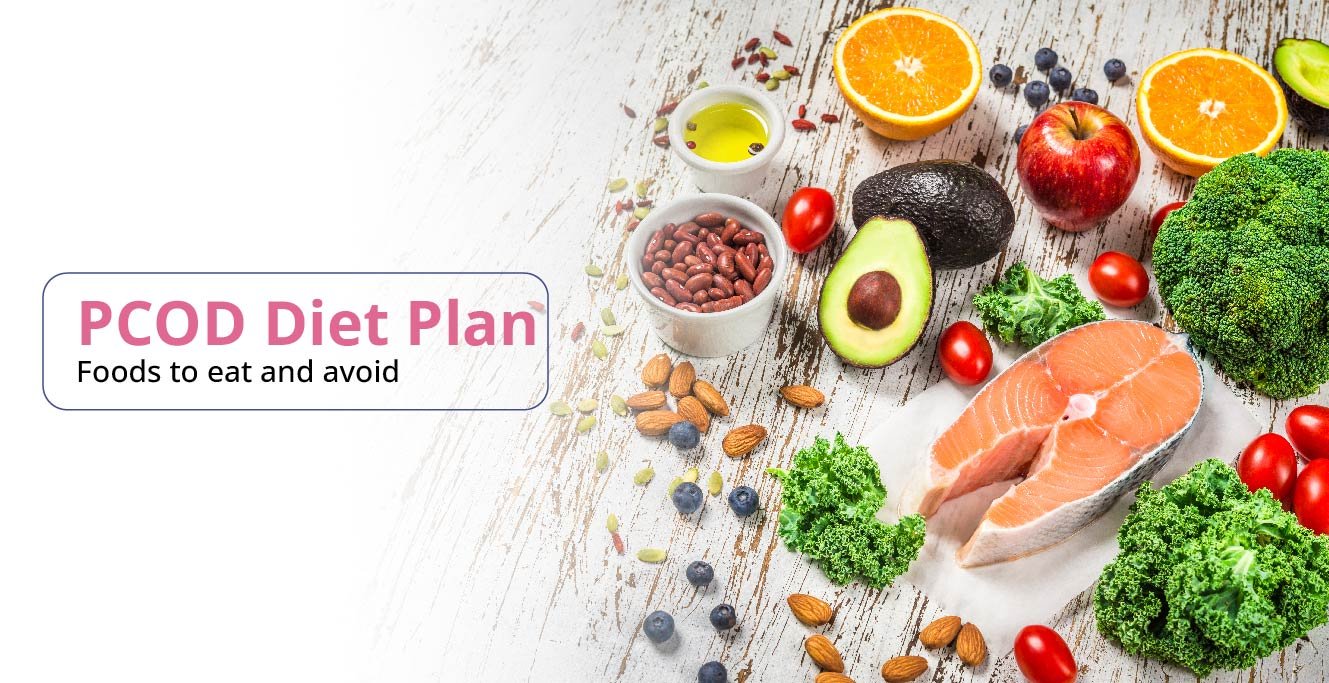
Managing Polycystic Ovary Syndrome (PCOS) can feel like a constant uphill battle against your own biology. However, implementing a targeted PCOS diet plan is one of the most effective ways to regain control over your hormones, improve insulin sensitivity, and boost your energy levels. By focusing on whole, anti-inflammatory foods and balancing your macronutrients, you can create a sustainable lifestyle that supports your body’s unique needs. This guide explores nutrient-dense recipes and practical dietary shifts designed to stabilize blood sugar and foster long-term hormonal harmony for every woman on this journey.
1. The Role of Low Glycemic Index (GI) Foods
Low GI foods are the foundation of any successful PCOS diet plan. These carbohydrates digest slowly, preventing the sharp insulin spikes that trigger androgen production. Think of oats, quinoa, and non-starchy vegetables as your primary fuel sources for steady energy.
2. Prioritizing Lean Protein Sources
Protein is essential for keeping you full and maintaining muscle mass. Incorporating lean options like skinless chicken, turkey, tofu, and legumes into every meal helps stabilize blood sugar levels and reduces the intense sugar cravings often associated with hormonal imbalances.
3. Incorporating Healthy Fats for Hormone Production
Your body requires healthy fats to synthesize hormones. Focus on monounsaturated and omega-3 fatty acids found in avocados, walnuts, and extra virgin olive oil. these fats reduce internal inflammation, a common underlying factor for many individuals dealing with PCOS symptoms.
4. The Power of High-Fiber Fiber Vegetables
Fiber acts as a natural regulator for your digestive system and helps escort excess estrogen out of the body. Aim for at least two cups of leafy greens, broccoli, or cauliflower with lunch and dinner to improve gut health and insulin response.
5. Benefits of Omega-3 Rich Fatty Fish
Fatty fish like salmon, mackerel, and sardines are nutritional powerhouses for hormonal balance. Their high omega-3 content helps lower testosterone levels and can improve the regularity of menstrual cycles while fighting oxidative stress in the body.
6. Berries as an Antioxidant-Rich Dessert
When a sweet craving hits, reach for blueberries, raspberries, or strawberries. These fruits are low in sugar but packed with antioxidants and fiber, providing a satisfying treat that won’t cause a massive disruption to your glucose levels.
7. Swapping Refined Grains for Ancient Grains
Refined white flour can worsen insulin resistance. Instead, experiment with ancient grains like farro, buckwheat, or amaranth. These provide a complex nutrient profile, including B vitamins and magnesium, which are often depleted in those managing PCOS.
8. The Importance of Anti-Inflammatory Spices
Spices like turmeric and ginger are more than just flavor enhancers; they are potent anti-inflammatory agents. Adding turmeric to your morning eggs or smoothies can help reduce the chronic low-grade inflammation often linked to cystic ovaries.
9. Managing Dairy Intake Carefully
While not everyone needs to go dairy-free, many find that reducing milk and cheese helps clear hormonal acne. If you choose to keep dairy, opt for fermented versions like Greek yogurt or kefir, which support a healthy microbiome.
10. Seed Cycling for Menstrual Regularity
Seed cycling involves eating specific seeds like pumpkin, flax, sesame, and sunflower at different phases of your cycle. This practice provides the specific fatty acids and minerals needed to support estrogen and progesterone production naturally.
11. Choosing Plant-Based Proteins Frequently
Integrating more plant-based proteins like lentils and chickpeas can improve fertility markers. Plant proteins are generally higher in fiber and lower in saturated fats than red meat, making them an ideal choice for a heart-healthy PCOS strategy.
12. Staying Hydrated with Herbal Teas
Spearmint tea is a well-known natural remedy for reducing hirsutism (excess hair growth) by lowering androgen levels. Drinking two cups a day can be a soothing and effective addition to your hormonal balance routine.
13. The Impact of Magnesium-Rich Foods
Magnesium plays a critical role in glucose metabolism. Incorporate pumpkin seeds, spinach, and dark chocolate (at least 70% cocoa) to help improve insulin sensitivity and reduce the anxiety or sleep issues often tied to PCOS.
14. Avoiding Processed Sugars and Artificial Sweeteners
Processed sugars are the primary enemy of hormonal stability. They trigger rapid insulin release, leading to weight gain and fatigue. Focus on natural sweetness from whole fruits rather than “diet” foods filled with chemical sweeteners.
15. The Virtue of Slow Cooker Meals
Preparing balanced meals can be exhausting. Utilizing a slow cooker for stews and soups ensures you always have a PCOS-friendly meal ready, preventing the temptation to order high-sodium, high-sugar takeout during a busy work week.
16. Breakfast: The Most Important Meal for Insulin
Eating a high-protein, savory breakfast rather than a sugary cereal sets the tone for your blood sugar for the entire day. A veggie-packed omelet with avocado is an ideal way to start your morning.
17. Understanding the “Plate Method”
A simple way to structure your recipes is to fill half your plate with non-starchy vegetables, one-quarter with lean protein, and one-quarter with complex carbohydrates. This visual guide ensures a balanced nutrient intake every time.
18. Snacking Strategically to Prevent Crashes
Never eat carbohydrates alone; always pair them with a protein or fat. For example, an apple with almond butter is much better for your hormones than an apple by itself, as the fat slows sugar absorption.
19. The Benefits of Cruciferous Vegetables
Vegetables like Brussels sprouts and kale contain DIM (Diindolylmethane), a compound that helps the liver process and eliminate excess hormones. Regular consumption can lead to clearer skin and more balanced moods.
20. Limit Alcohol for Liver Health
The liver is responsible for filtering hormones. Excessive alcohol consumption can tax the liver, leading to an accumulation of “old” hormones in the system. Limit drinks to special occasions to keep your endocrine system running smoothly.
SEO Meta Description
Discover the ultimate PCOS diet plan with delicious recipes for hormonal balance. Learn how to stabilize blood sugar and improve energy with nutrient-dense foods.
Focus Keywords
- PCOS diet plan
- Hormonal balance recipes
- Insulin resistance diet
- Anti-inflammatory foods for PCOS
- Low GI recipes
- PCOS weight loss tips
- Healthy fats for hormones
FAQ Section
Q: Can I eat fruit on a PCOS diet? A: Yes, but focus on low-sugar, high-fiber fruits like berries, cherries, and green apples. Always pair them with a source of protein or fat to keep insulin stable.
Q: Is a gluten-free diet necessary for PCOS? A: Not necessarily. However, many find that reducing gluten lowers inflammation. Focus on how your body feels and prioritize whole, unprocessed grains over processed gluten-free products.
Q: How long does it take to see results from a PCOS diet? A: Most women notice improvements in energy and skin within 4 to 6 weeks, though cycle regularity may take 3 to 6 months of consistent dietary changes.
Internal Linking Suggestions
- 10 Easy 15-Minute Mediterranean Dinners for Busy Weeknights
- The Ultimate Guide to Anti-Inflammatory Spices in Your Pantry
- How to Meal Prep for a Balanced Week: A Beginner’s Guide
Conclusion
Achieving hormonal balance through a PCOS diet plan is not about deprivation; it is about nourishment. By choosing whole foods, prioritizing protein, and embracing healthy fats, you create an environment where your body can thrive. Remember that consistency is more important than perfection. Small, daily choices—like swapping your morning toast for oats or drinking spearmint tea—add up to significant long-term health benefits and a more vibrant, balanced life.
Leave a Reply