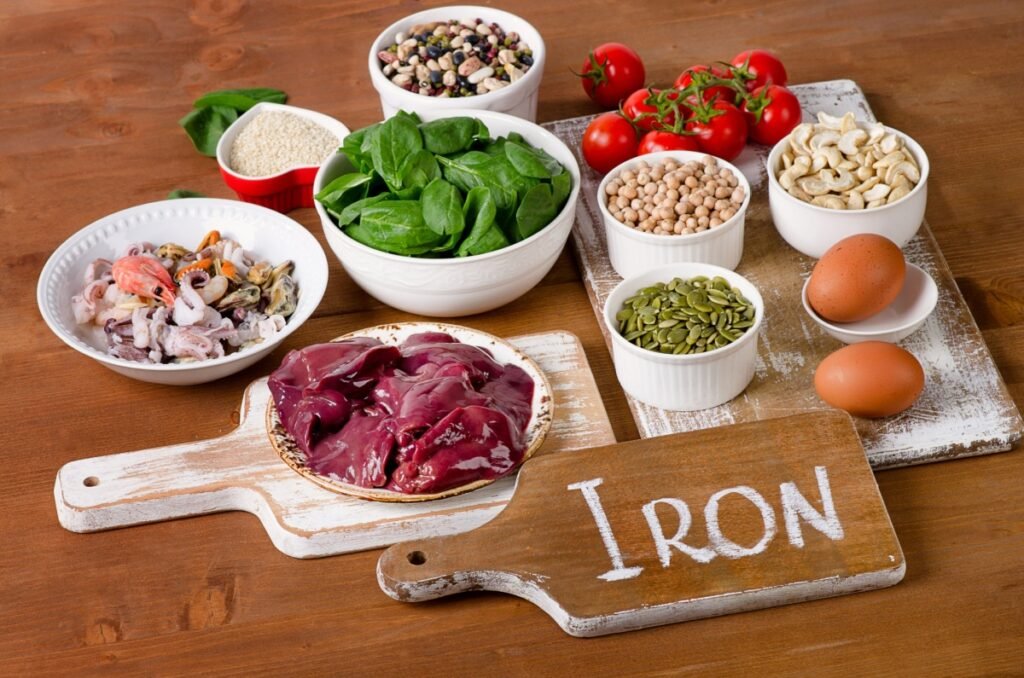
Anemia affects millions worldwide, often leaving individuals feeling exhausted, weak, and short of breath. The most common culprit is a lack of dietary iron, which the body needs to produce hemoglobin for oxygen transport. Transitioning to a diet focused on iron-rich foods for anemia is one of the most effective ways to naturally increase blood levels and regain your energy. By understanding the difference between plant-based and animal-based iron sources, you can create a sustainable diet plan that supports long-term health and vitality.
1. Understanding Heme vs. Non-Heme Iron
Iron comes in two forms: heme and non-heme. Heme iron, found in animal products, is absorbed more efficiently by the body. Non-heme iron is found in plant foods and, while beneficial, requires specific pairings to maximize its absorption rate effectively.
2. The Power of Lean Red Meat
Beef and lamb are premier sources of heme iron. Consuming small, lean portions a few times a week can significantly boost ferritin levels. It is the most bioavailable form of iron, making it a staple for those struggling with chronic deficiency.
3. Incorporating Shellfish for Mineral Density
Clams, mussels, and oysters are surprisingly high in iron. A single serving of clams can provide more than 100% of your daily required intake. They also offer high-quality protein and Vitamin B12, which are essential for healthy red blood cell production.
4. Spinach: The Leafy Green Giant
Spinach is a classic non-heme iron source. While it contains oxalates that can hinder absorption, cooking spinach rather than eating it raw helps break down these compounds, making the iron more accessible to your digestive system during a meal.
5. Legumes and Lentils as Daily Staples
Lentils are an affordable and versatile way to increase blood levels. One cup of cooked lentils provides about 6.6 mg of iron. They are perfect for soups and salads, offering a steady release of energy and fiber alongside essential minerals.
6. Pumpkin Seeds for Quick Snacking
Just a handful of pumpkin seeds (pepitas) contains nearly 2.5 mg of iron. They make an excellent portable snack for those with busy lifestyles. Sprinkle them on yogurt or oatmeal to add a crunchy, mineral-rich boost to your morning routine.
7. Quinoa: The Iron-Rich Pseudo-Cereal
Quinoa is a gluten-free grain alternative that packs more iron than most traditional cereals. One cup of cooked quinoa provides roughly 2.8 mg. Its complex carbohydrate profile ensures you stay full while actively supporting your hemoglobin production throughout the day.
8. Turkey and Poultry Options
If you prefer white meat, turkey—especially dark meat—is a reliable source of heme iron. It provides a healthier, lower-fat alternative to red meat while still delivering the necessary nutrients to combat the symptoms of iron-deficiency anemia.
9. Organ Meats: Nature’s Multivitamin
Liver is perhaps the most concentrated source of iron and B vitamins available. While the taste can be polarizing, consuming liver once a week can rapidly replenish depleted iron stores. It is often referred to as “nature’s multivitamin” by nutritionists.
10. Tofu and Soy-Based Proteins
For vegetarians, tofu is an essential component of an anti-anemia diet. A half-cup serving provides about 3.4 mg of iron. It is also a complete protein, meaning it supports overall muscle health while you focus on improving your blood markers.
11. The Role of Vitamin C in Absorption
Non-heme iron requires Vitamin C to be absorbed. Pairing iron-rich plant foods with citrus fruits, bell peppers, or broccoli can triple the absorption rate. Never eat your lentils without a squeeze of fresh lemon juice or a side of tomatoes.
12. Avoiding Calcium During Iron Meals
Calcium can inhibit iron absorption. To ensure your diet plan is effective, avoid consuming high-calcium foods like cheese or milk at the same time as your primary iron-rich meal. Space these nutrients at least two hours apart for the best results.
13. Blackstrap Molasses as a Natural Supplement
A tablespoon of blackstrap molasses contains about 3.5 mg of iron. It is a dense, syrupy byproduct of sugar cane processing that can be stirred into tea or used in baking to provide a natural, mineral-heavy nutritional boost.
14. Fortified Cereals for Breakfast
Many modern cereals are fortified with 100% of the daily value of iron. While whole foods are preferred, fortified grains are a practical safety net for ensuring you meet your targets, especially for children or picky eaters.
15. Cashews and Pistachios for Heart Health
Nuts aren’t just for healthy fats; they are also significant iron contributors. Cashews, in particular, offer a good amount of non-heme iron. Eating them raw or lightly roasted helps maintain their nutritional integrity while satisfying mid-day hunger.
16. Dark Chocolate: The Healthy Indulgence
Good news for dessert lovers: dark chocolate (at least 70% cocoa) is rich in iron and antioxidants. A small square daily can contribute to your iron goals while lowering oxidative stress in the body, proving that diet plans needn’t be bland.
17. The Impact of Tea and Coffee
Tannins found in tea and coffee can significantly block iron absorption. If you have anemia, try to enjoy your caffeine fix between meals rather than with them. This simple timing shift can dramatically improve how much iron you actually retain.
18. Cooking in Cast Iron Skillets
Using cast iron cookware is an age-old trick to increase the iron content of your food. Acidic foods, like tomato sauce, simmered in a cast iron pan can absorb significant amounts of the mineral directly from the surface of the pan.
19. Broccoli: The Dual-Action Vegetable
Broccoli is unique because it contains both iron and a high amount of Vitamin C. This “built-in” absorption booster makes it one of the most efficient vegetables for anyone looking to improve their blood health through natural dietary choices.
20. Beetroot and Blood Health
Beetroot is traditionally used to support blood health. While its iron content is moderate, it is rich in nitrates and folate, which improve blood flow and the quality of red blood cells, complementing other iron-heavy foods in your diet.
SEO Meta Description
Learn about the best iron-rich foods for anemia and discover a practical diet plan to increase blood levels naturally through heme and non-heme iron sources.
Focus Keywords
- Iron-rich foods for anemia
- Increase blood levels naturally
- Iron deficiency diet plan
- Best iron sources for hemoglobin
- Heme and non-heme iron foods
- Anemia nutrition tips
FAQ Section
Q: How long does it take to increase iron levels with food? A: It typically takes 3 to 6 months of consistent dietary changes to significantly see a rise in stored iron (ferritin) levels and hemoglobin.
Q: Can I get enough iron from a vegan diet? A: Yes, by focusing on lentils, beans, seeds, and fortified grains paired with Vitamin C, vegans can successfully manage and prevent anemia.
Q: What are the main symptoms of low iron? A: Common signs include extreme fatigue, pale skin, cold hands and feet, dizziness, and brittle nails or unusual cravings for non-food items like ice.
Internal Linking Suggestions
- The Ultimate Guide to Vitamin C Rich Fruits for Better Immunity
- Top 10 Plant-Based Protein Sources for Vegetarians
- How to Meal Prep for a High-Energy Work Week
Conclusion
Improving your iron intake is a journey, not a quick fix. By consistently incorporating a variety of iron-rich foods for anemia—from lean meats to nutrient-dense seeds—and being mindful of absorption boosters like Vitamin C, you can successfully increase your blood levels. Remember to avoid iron inhibitors like caffeine during meals. Focus on a balanced, whole-food approach to reclaim your energy and support your body’s essential functions for long-term wellness.
Leave a Reply