- 0
- 1,227 word
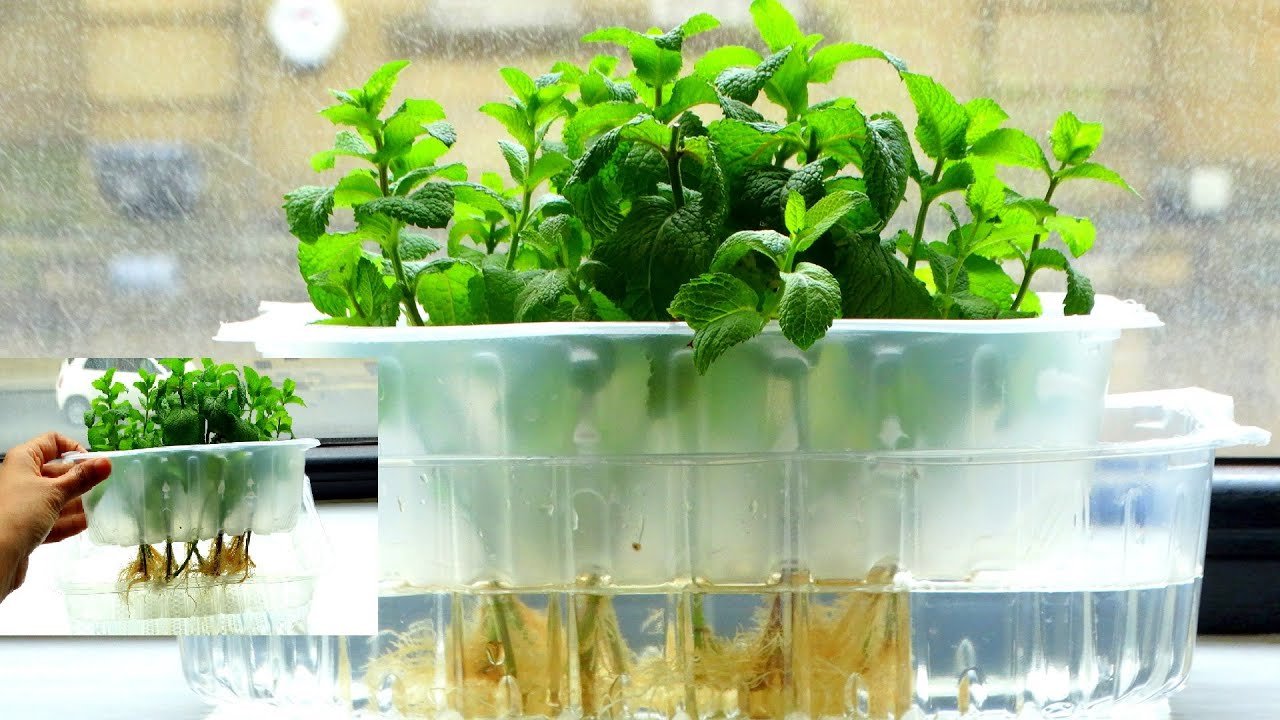
Imagine walking into your kitchen and snipping fresh, fragrant leaves directly from a jar to garnish your favorite dish. Learning how to grow Hydroponic Herbs at Home: How to Grow Mint and Coriander in Water makes this dream a reality without the mess of soil or the need for a backyard. This soil-less gardening method is perfect for urban dwellers and culinary enthusiasts who want a sustainable supply of flavor year-round. By focusing on simple water-based techniques, you can cultivate vibrant mint and coriander that are cleaner, faster-growing, and incredibly easy to maintain right on your windowsill.
1. Understanding the Hydroponic Concept
Hydroponics involves growing plants in a nutrient-rich water solution rather than soil. For herbs like mint and coriander, this means the roots have direct access to hydration and minerals, leading to faster growth cycles and fewer soil-borne pests in your kitchen.
2. Selecting the Best Mint Cuttings
To start mint in water, look for healthy, green stems from a grocery store or an existing plant. Choose a 4-to-6-inch cutting with a strong stem. Mint is incredibly resilient and is often the easiest herb to propagate using only water.
3. Preparing Coriander from Seeds or Roots
Coriander can be trickier than mint. You can start by placing coriander roots (with a bit of stem attached) in water or by germinating seeds in a damp medium before transferring them to your hydroponic glass to ensure the delicate root system develops.
4. Choosing the Right Glass Container
Clear glass jars or vases are excellent for beginners because they allow you to monitor root health and water levels. However, keep in mind that roots prefer darkness; eventually, wrapping the jar in dark paper can prevent algae growth while keeping the setup aesthetic.
5. The Importance of Water Quality
Using filtered or declorinated water is vital for sensitive herbs. If you use tap water, let it sit out for 24 hours to allow chlorine to dissipate. This prevents chemical burn on the delicate roots of your coriander and mint plants.
6. Strip the Lower Leaves
Before placing your mint or coriander stems in water, remove all leaves from the bottom two inches. Any foliage submerged in water will rot, leading to bacterial growth that can kill the entire herb cutting and create unpleasant odors.
7. Ideal Sunlight Requirements
Both mint and coriander thrive in bright, indirect light. A south or west-facing windowsill is usually perfect. They need about six hours of light daily to produce the essential oils that give them their signature culinary aroma and flavor.
8. Managing Water Temperature
Keep your water at room temperature. Extreme cold or heat can shock the herbs. Mint is generally hardier, but coriander is sensitive to “bolting” or flowering prematurely if the environment becomes too warm, which ruins the flavor of the leaves.
9. Changing the Water Regularly
To keep your hydroponic herbs healthy, replace the water every 5–7 days. Fresh water provides a new boost of oxygen to the roots, preventing stagnation and the development of pathogens that could lead to root rot.
10. Adding Liquid Nutrients
While herbs can survive in plain water for a while, they need “food” to thrive. Use a high-quality, water-soluble hydroponic nutrient solution. A few drops every two weeks will ensure your mint and coriander stay vibrant and nutrient-dense.
11. Monitoring Root Development
Within a week, you should see white hair-like roots emerging from the mint stems. Coriander may take longer. Healthy roots should always be white or cream-colored; if they turn brown or slimy, it is time to clean the jar.
12. Pruning for Bushier Growth
Once your mint starts growing rapidly, pinch off the top leaves regularly. This encourages the plant to grow outward rather than just upward, resulting in a bushier, more productive herb plant that provides more leaves for your recipes.
13. Harvesting Mint Correctly
Always harvest mint from the top down. Snip just above a leaf node (the spot where leaves emerge). This tells the plant to send out two new branches from that point, effectively doubling your future harvest with every cut.
14. Gentle Harvesting for Coriander
Coriander is more delicate than mint. Pick the outer leaves first, allowing the center of the plant to continue growing. Avoid taking more than a third of the plant at once to ensure it has enough energy to regenerate.
15. Air Circulation Matters
Even though they are growing in water, herbs need fresh air. Avoid crowding too many jars together. Good airflow prevents powdery mildew, a common fungal issue that can affect mint leaves in humid or stagnant indoor environments.
16. Humidity and Indoor Heating
Indoor heating can dry out herb leaves. If your kitchen air is very dry, occasionally mist the leaves with water. This mimics a natural environment and keeps the coriander leaves from becoming brittle or losing their bright green color.
17. Dealing with Common Pests
Even indoors, aphids or spider mites can appear. Check the undersides of leaves weekly. If you spot pests, a simple spray of water and a drop of organic neem oil or mild soap will usually clear the problem safely.
18. The Longevity of Water-Grown Herbs
Mint can live in water for several months or even years if fed correctly. Coriander has a shorter life cycle and may eventually need to be restarted from new seeds or cuttings once it reaches its natural maturity.
19. Using Fresh Mint in Cooking
Hydroponically grown mint is exceptionally clean. It’s perfect for muddling into mojitos, steeping for fresh tea, or tossing into Mediterranean salads. Because there is no soil, a quick rinse is all you need before using it.
20. Culinary Uses for Home-Grown Coriander
Fresh coriander (cilantro) is a staple for salsas, curries, and garnishes. Growing it in water ensures you always have the “leaf” version on hand, which is often superior in flavor to the dried coriander found in spice aisles.
SEO Meta Description
Learn how to grow hydroponic herbs at home: how to grow mint and coriander in water with this easy guide. Fresh, soil-less herbs for your kitchen start today!
Focus Keywords
- Hydroponic herbs at home
- Grow mint in water
- Growing coriander without soil
- Indoor water gardening
- Fresh kitchen herbs
- Soil-less herb cultivation
FAQ Section
Q: Can I grow coriander from store-bought bunches? A: Yes, if the bunch still has the roots attached, you can trim the tops and place the root base in water to regrow new stems.
Q: Does mint grow faster in water than in soil? A: Often, yes. Because the roots don’t have to “search” through soil for moisture, mint can focus all its energy on leaf production.
Q: Why are my coriander leaves turning yellow? A: This is usually a sign of nutrient deficiency or too much direct, scorching sunlight. Try adding a liquid fertilizer or moving the jar slightly back from the window.
Internal Linking Suggestions
- Top 10 Easy-to-Grow Kitchen Vegetables for Beginners
- How to Store Fresh Herbs: Keep Your Greens Fresh for Weeks
- The Best Summer Drink Recipes Using Fresh Garden Mint
Conclusion
Growing Hydroponic Herbs at Home: How to Grow Mint and Coriander in Water is a rewarding way to elevate your cooking while embracing sustainable living. By following these simple steps—choosing the right cuttings, maintaining water quality, and providing adequate light—you can enjoy a perpetual harvest of fresh greens. Whether you are a city dweller or a seasoned chef, water-based gardening offers a clean, efficient, and beautiful solution for your culinary needs.
Author

rajakarni786@gmail.com
Related Posts

Detox Water Recipes: 3 Easy Drinks to Flush Out Toxins
- 0
- 1,327 word
Staying hydrated is the foundation of good health, but plain water can sometimes feel uninspiring. Detox water recipes offer a flavorful, nutrient-rich...
Read out all
PCOS Diet Plan: Best Recipes for Hormonal Balance
- 0
- 1,191 word
Managing Polycystic Ovary Syndrome (PCOS) can feel like a constant uphill battle against your own biology. However, implementing a targeted PCOS diet...
Read out all
Anti-Aging Superfoods: Natural Foods That Prevent Wrinkles
- 0
- 1,166 word
Aging is a natural part of life, but the rate at which our skin shows it is heavily influenced by what we...
Read out all
Post-Workout Desi Meals: Build Muscles Without Protein Shakes
- 0
- 1,107 word
Many fitness enthusiasts believe that achieving a muscular physique requires expensive imported supplements or chalky powders. However, the secret to effective recovery...
Read out all
Magnesium-Rich Snacks: Foods for Mental Peace and Better Sleep
- 0
- 1,141 word
If you find yourself tossing and turning at night or feeling an underlying sense of restlessness during the day, your diet might...
Read out all
Gluten-Free Flour Options: The Right Way to Use Millet, Sorghum, and Corn
- 0
- 1,208 word
Navigating the world of gluten-free baking often feels like a complex science experiment, but mastering specific grains can transform your kitchen results....
Read out all