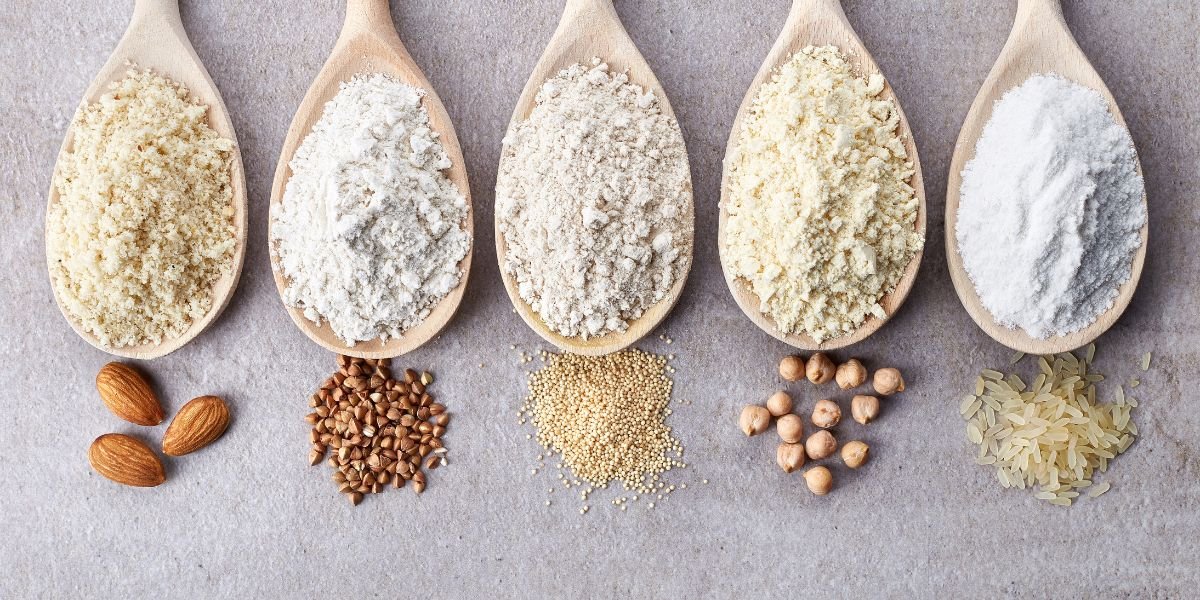
Navigating the world of gluten-free baking often feels like a complex science experiment, but mastering specific grains can transform your kitchen results. Choosing the right gluten-free flour options is about more than just avoiding wheat; it is about understanding the unique textures and nutritional profiles of ancient grains. Millet, sorghum, and corn offer incredible versatility, providing everything from a delicate crumb to a hearty crunch. By learning the “right way” to use these flours, you can achieve professional-grade textures that rival traditional recipes while keeping your meals safe, healthy, and flavorful.
1. Understanding Millet Flour Basics
Millet is a small-seeded ancient grain that produces a light, alkaline flour. It is prized in gluten-free baking for its ability to create a delicate, cake-like crumb. Its mild, slightly nutty flavor makes it an excellent base for sweet recipes.
2. The Nutritional Edge of Sorghum
Sorghum, also known as jowar, is a powerhouse of antioxidants and fiber. It has a protein content similar to wheat, which helps provide better structural integrity in bread recipes compared to starches like rice flour or potato starch.
3. Corn Flour vs. Cornmeal
It is essential to distinguish between the two. Corn flour is finely ground and soft, ideal for thickening and delicate batters. Cornmeal is gritty and textured, perfect for rustic breads, muffins, or providing a crunchy exterior to fried foods.
4. Hydration is Key for Sorghum
Sorghum flour is highly absorbent. When using it in a blend, you may need to increase the liquid content of your recipe slightly. Allowing the batter to rest for 10 minutes before baking helps the flour fully hydrate for a smoother texture.
5. Achieving the Perfect Millet Ratio
Millet flour is best used as part of a flour blend rather than on its own. Ideally, it should make up about 25% to 30% of your total flour mix to avoid a dry or overly “beany” aftertaste in delicate pastries.
6. Corn as a Natural Binder
While corn doesn’t contain gluten, its natural starches provide a unique stickiness when heated with liquids. This makes finely ground corn flour an excellent addition to gluten-free gravies, sauces, or even as a stabilizer in certain cookie doughs.
7. Blending for Structural Integrity
Combining millet and sorghum creates a balanced protein-to-starch ratio. Sorghum provides the “heaviness” and structure needed for bread, while millet lightens the load, ensuring the finished product isn’t too dense or gummy after cooling.
8. Using Corn Flour for Crispiness
If you want a superior golden crust on roasted or fried items, a light dusting of corn flour is the secret. It withstands high heat better than many other gluten-free options, resulting in a consistent, professional-grade crunch every time.
9. Managing the Flavor Profile of Sorghum
Sorghum has a remarkably neutral, slightly sweet flavor. This makes it the “chameleon” of gluten-free flours. It won’t overpower subtle flavors like vanilla or lemon, making it a favorite for high-end gluten-free patisserie work.
10. Millet for Egg-Free Baking
Millet flour works surprisingly well in vegan, gluten-free recipes. Its fine texture helps hold moisture, which is vital when you aren’t using eggs. It pairs beautifully with applesauce or flax seeds to create a tender, moist result.
11. Preventing Grittiness in Corn Recipes
To avoid a sandy mouthfeel when using cornmeal, try “scalded” cornmeal techniques. Pouring a small amount of boiling water over the cornmeal before adding other ingredients softens the outer hull, leading to a much smoother finished bake.
12. Storage Tips for Ancient Grains
Because millet and sorghum contain natural oils, they can go rancid faster than highly processed flours. Store these in airtight containers in a cool, dark pantry, or keep them in the freezer to extend their shelf life.
13. Enhancing Color with Corn
Corn flour adds a beautiful, natural golden hue to baked goods without the need for artificial dyes. This is particularly useful in gluten-free sandwich breads, which can sometimes look pale and unappetizing if made only with rice flour.
14. The Role of Xanthan Gum
When using millet, sorghum, or corn, you usually need a binder like xanthan gum or psyllium husk. These mimic the elasticity of gluten, ensuring your muffins rise and your bread doesn’t crumble into dust.
15. Sifting for Success
Always sift your millet and sorghum flour. These flours tend to clump during storage. Sifting aerates the flour, ensuring it incorporates evenly into your fats and liquids, which prevents “flour pockets” in your finished cake or bread.
16. Corn Flour in Tortillas and Wraps
Masa harina, a specific type of corn flour treated with lime, is the gold standard for gluten-free wraps. It has a unique chemical structure that allows it to be pressed thin without breaking, offering a pliable, delicious alternative.
17. Millet as a Thickening Agent
If you run out of cornstarch, finely ground millet flour can serve as a rustic thickener for stews. It adds a creamier consistency than cornstarch and contributes a boost of magnesium and B-vitamins to your meal.
18. Sorghum for Hearty Pancakes
For breakfast lovers, sorghum flour makes the best gluten-free pancakes. They hold their shape on the griddle and have a hearty, satisfying chew that keeps you full longer than white rice-based pancake mixes.
19. Balancing the “Earthiness”
Ancient grains can sometimes taste “earthy.” A small pinch of extra salt or a teaspoon of apple cider vinegar in your batter can brighten the flavors of millet and sorghum, making the final taste profile more sophisticated.
20. Cost-Effective Bulk Buying
Millet, sorghum, and corn are often significantly cheaper than almond or coconut flours. Buying the whole grains and grinding them in a high-speed blender can save money while ensuring your flour is as fresh as possible.
SEO Meta Description
Discover the best gluten-free flour options! Learn the right way to use millet, sorghum, and corn to create delicious, high-quality gluten-free bakes at home.
Focus Keywords
- Gluten-free flour options
- Baking with millet flour
- Sorghum flour benefits
- Corn flour recipes
- Gluten-free grain guide
- Ancient grain baking tips
FAQ Section
Q: Can I replace wheat flour 1:1 with sorghum flour? A: Not directly. While sorghum is structurally similar to wheat, it lacks elasticity. It is best used in a 1:1 gluten-free blend that includes starches and a binder like xanthan gum.
Q: Does millet flour taste bitter? A: Fresh millet flour is sweet and nutty. If it tastes bitter, it may have gone rancid. Always check the “milled on” date and store it in a cool place.
Q: Is corn flour the same as cornstarch? A: No. Corn flour is the whole grain ground into a powder, while cornstarch is only the starchy part of the grain. They behave very differently in baking.
Internal Linking Suggestions
- The Ultimate Guide to Gluten-Free Binders: A deep dive into xanthan gum, guar gum, and psyllium husk.
- Top 10 Gluten-Free Breakfast Recipes: Featuring sorghum pancakes and millet porridge.
- How to Store Flour to Prevent Rancidity: Best practices for keeping alternative flours fresh for longer.
Conclusion
Mastering gluten-free flour options like millet, sorghum, and corn opens up a world of culinary possibilities. By understanding the hydration needs of sorghum, the delicate texture of millet, and the structural versatility of corn, you can move away from gritty, store-bought mixes. These grains provide superior nutrition and flavor when used correctly. Experiment with these tips to find the perfect balance for your kitchen, ensuring every gluten-free meal is a success.
Leave a Reply