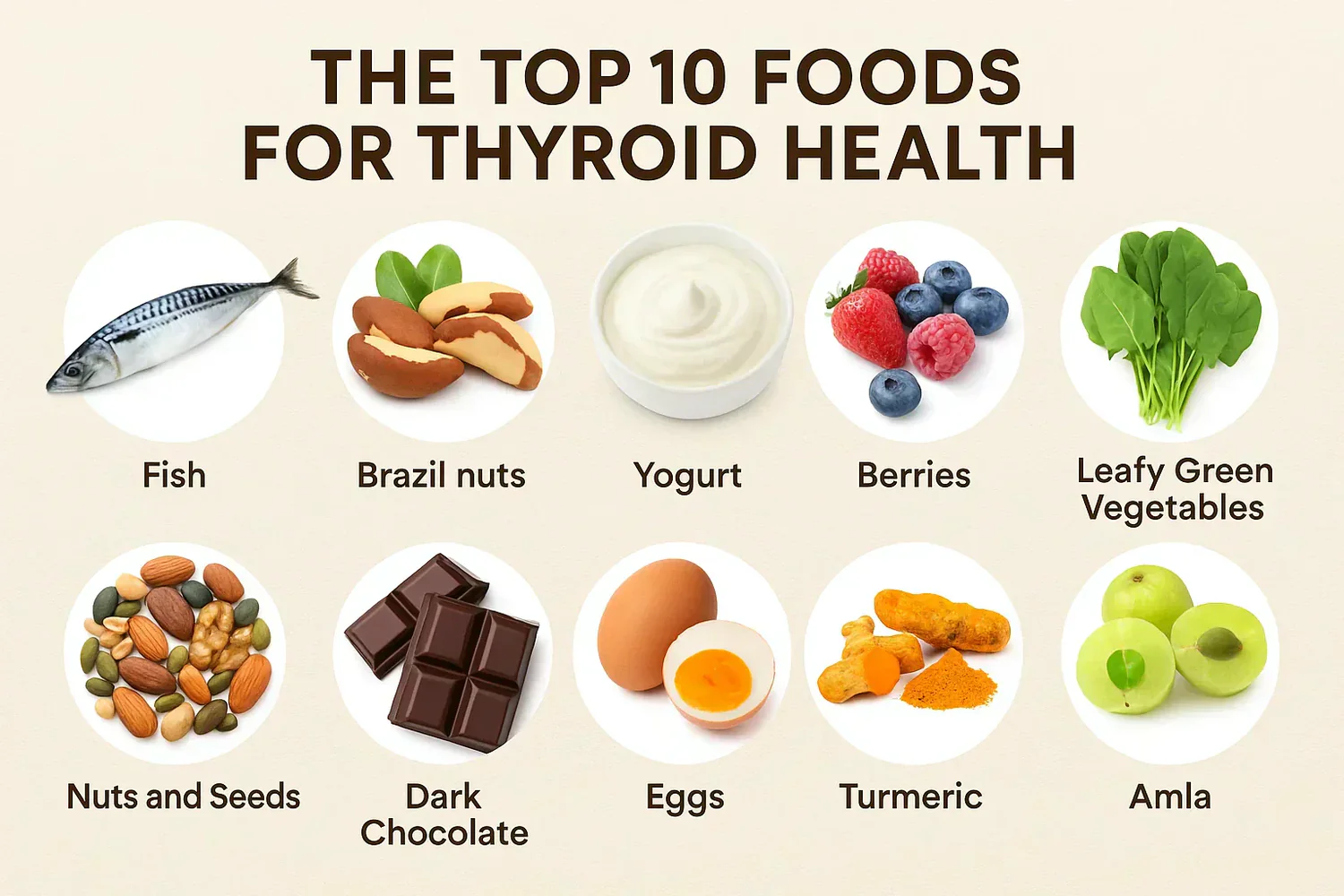
Managing your health when dealing with thyroid imbalances often feels like a balancing act, but your plate is one of the most powerful tools you have. Whether you are navigating hypothyroidism or hyperthyroidism, the nutrients you consume directly impact hormone production and energy levels. Understanding the best foods for thyroid patients—and identifying those that may hinder progress—is essential for long-term wellness. By focusing on nutrient-dense “healing” foods while being mindful of specific triggers, you can support your metabolism and reduce common symptoms like fatigue and brain fog. This guide explores how to optimize your diet for a healthier, more vibrant life.
1. The Vital Role of Iodine
Iodine is the primary building block for thyroid hormones. Incorporating moderate amounts of iodized salt or sea vegetables like nori helps the gland produce $T_4$ and $T_3$ efficiently. However, balance is key, as excessive iodine can sometimes worsen certain autoimmune conditions.
2. Selenium-Rich Brazil Nuts
Selenium is a trace mineral that protects the thyroid from oxidative stress and helps convert inactive hormones into active ones. Just two Brazil nuts a day provide your daily recommended intake, making them one of the most potent healing foods available.
3. Zinc for Hormone Signaling
Zinc plays a dual role in thyroid health by helping the body produce hormones and aiding the receptors in your cells to “read” those signals. Oysters, beef, and pumpkin seeds are excellent sources to ensure your metabolism stays on track.
4. The Impact of Goitrogens
Goitrogens are natural compounds found in cruciferous vegetables like broccoli and kale that can interfere with iodine uptake. While healthy, thyroid patients should ideally cook these vegetables rather than eating them raw to neutralize their goitrogenic effect.
5. Managing Soy Intake
Soy contains isoflavones that may interfere with the absorption of thyroid medication. If you enjoy tofu or soy milk, it is best to consume them in moderation and wait at least four hours after taking your morning medication.
6. Gluten and Autoimmunity
Many people with Hashimoto’s find relief by adopting a gluten-free diet. There is a molecular similarity between gluten proteins and thyroid tissue, which can cause the immune system to mistakenly attack the gland in sensitive individuals.
7. Power Up with Wild-Caught Salmon
Omega-3 fatty acids found in fatty fish like salmon are incredible for reducing inflammation. Since thyroid disorders are often linked to systemic inflammation, these healthy fats help soothe the body and support better cognitive function and mood.
8. The Benefits of Seaweed
Seaweed, such as kelp and wakame, is a concentrated source of natural iodine. For those with iodine deficiency-related hypothyroidism, adding small amounts to soups or salads can provide a significant boost to sluggish hormone production.
9. Eggs: A Nutrient Powerhouse
Eggs are an ideal thyroid food because they contain both iodine and selenium in the yolk. They also provide high-quality protein, which is essential for maintaining muscle mass and supporting a healthy metabolic rate.
10. Berry Antioxidants
Blueberries, raspberries, and strawberries are packed with antioxidants that fight free radicals. Thyroid patients often experience higher levels of oxidative stress, so these colorful fruits serve as a delicious “shield” for your cellular health.
11. Avoiding Processed Sugars
High sugar intake leads to insulin resistance and increased inflammation, both of which tax the thyroid. Swapping processed sweets for natural options helps stabilize blood sugar and prevents the energy crashes often associated with thyroid fatigue.
12. Probiotics for Gut Health
A significant portion of thyroid hormone conversion happens in the gut. Consuming fermented foods like yogurt, kefir, or kimchi ensures a healthy microbiome, which is crucial for the proper absorption of thyroid-supporting minerals.
13. The Importance of Magnesium
Magnesium is involved in over 300 biochemical reactions, including thyroid function. Leafy greens, almonds, and dark chocolate can help alleviate thyroid-related symptoms like muscle cramps, anxiety, and insomnia.
14. Grass-Fed Beef and Iron
Iron deficiency can impair thyroid peroxidase, the enzyme responsible for making hormones. Lean, grass-fed beef provides highly bioavailable heme iron and B12, which are often low in patients struggling with chronic fatigue.
15. Bone Broth for Healing
Bone broth is rich in amino acids like glycine and glutamine, which help repair the gut lining. A healthy “leaky gut” prevents undigested food particles from triggering autoimmune flares that can damage the thyroid gland.
16. Fiber for Sluggish Digestion
Hypothyroidism often slows down the digestive tract, leading to constipation. Increasing fiber through beans, lentils, and whole grains (if tolerated) helps keep the system moving, though fiber should be consumed away from medication times.
17. Dairy: Friend or Foe?
For some, dairy provides essential calcium and Vitamin D. However, if you have a sensitivity, dairy can increase congestion and inflammation. Choosing organic or A2 dairy options may be easier on the digestive system.
18. Vitamin D Supplementation
Most thyroid patients are deficient in Vitamin D, which is a precursor to hormone production. While sunlight is best, eating fortified foods or fatty fish helps support the immune system and bone density.
19. Staying Hydrated
Proper hydration is essential for cellular metabolism and toxin removal. Water helps the kidneys filter waste and ensures that hormones are transported efficiently throughout the bloodstream to their target tissues.
20. Limit Fluoride and Chlorine
Some studies suggest that high levels of fluoride and chlorine can compete with iodine in the thyroid. Using a high-quality water filter can reduce your exposure and ensure your iodine is being used effectively.
SEO Meta Description:
Discover the best foods for thyroid patients to boost metabolism and energy. Learn which healing foods to eat and which inflammatory foods to avoid for thyroid health.
Focus Keywords:
- Best foods for thyroid patients
- Thyroid healing diet
- Foods to avoid for hypothyroidism
- Thyroid nutrition tips
- Selenium for thyroid health
- Iodine rich foods
FAQ Section:
Q: Can I eat spinach if I have a thyroid condition?
A: Yes, but it is better to eat it cooked. Steaming or sautéing spinach reduces the goitrogens that can interfere with thyroid function, allowing you to enjoy the nutrients safely.
Q: How long should I wait to eat after taking thyroid medication?
A: Most doctors recommend waiting at least 30 to 60 minutes before eating and at least 4 hours before consuming calcium-rich or soy-based foods for optimal absorption.
Q: Are sweet potatoes good for the thyroid?
A: Absolutely. They are a great source of complex carbohydrates and Vitamin A, which helps the body utilize thyroid hormones effectively at the cellular level.
Internal Linking Suggestions:
- Top 10 Anti-Inflammatory Recipes for Better Energy
- The Beginner’s Guide to Gut Health and Metabolism
- 5 Simple Gluten-Free Meal Prep Ideas for Busy Weeks
Conclusion
Optimizing your diet is a journey of discovery rather than a strict set of rules. By prioritizing nutrient-dense options like Brazil nuts, wild fish, and antioxidant-rich berries while minimizing processed sugars and raw goitrogens, you can significantly improve your quality of life. Always listen to your body and consult with a healthcare professional to tailor these suggestions to your specific needs. Small, consistent dietary changes truly are the foundation of lasting thyroid health.
Leave a Reply