- 0
- 1,013 word
Harnessing the power of the sun to prepare a meal is one of the most rewarding and sustainable ways to approach modern outdoor cooking. Solar cooking for beginners may seem like a complex scientific experiment, but it is actually a practical, budget-friendly method that uses free sunlight to slow-cook everything from stews to fresh bread. By using basic reflective surfaces and insulated containers, you can transform UV rays into thermal energy, eliminating the need for electricity or gas. Whether you are looking to reduce your carbon footprint or prepare for off-grid adventures, mastering the sun’s energy opens a world of culinary possibilities.
1. Understanding the Greenhouse Effect
Solar cookers work by trapping heat. When sunlight passes through a transparent lid, it converts into infrared heat that cannot escape. This creates a steady, rising temperature inside the cooker, allowing your food to simmer perfectly over several hours without burning.
2. Choosing a Panel Cooker
For those just starting out, a panel cooker is the most affordable and portable option. It uses reflective panels to direct sunlight toward a dark pot placed inside a heat-resistant bag. It is lightweight, easy to store, and perfect for simple grain dishes.
3. Exploring Box Cookers
Box cookers are essentially insulated ovens with a glass or plastic top. They are incredibly stable and hold heat exceptionally well, making them ideal for baking bread or cooking large family meals. They are less sensitive to occasional cloud cover than other models.
4. The Power of Parabolic Cookers
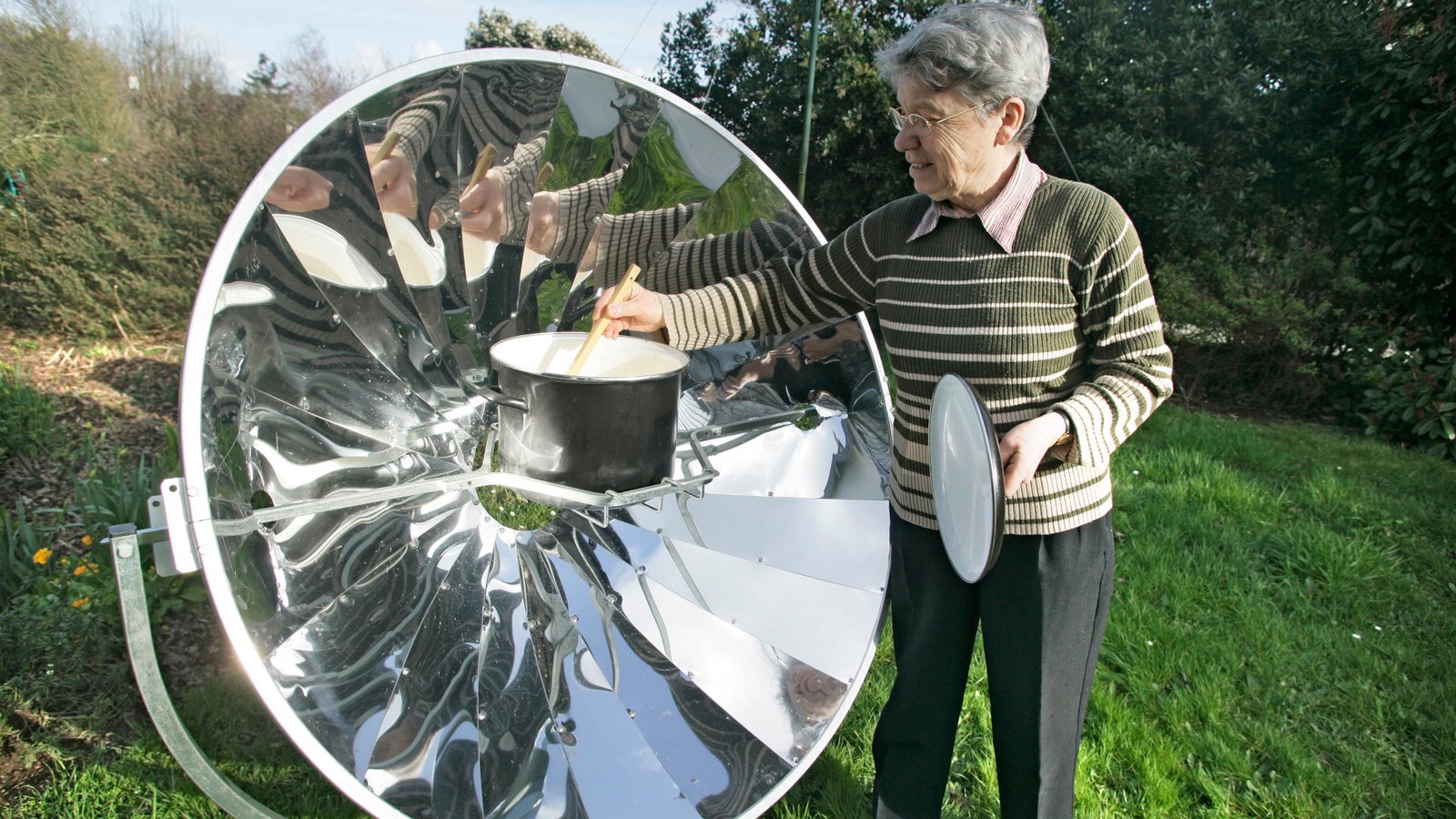
Parabolic cookers look like satellite dishes and focus light into a single, high-intensity point. These cookers reach very high temperatures quickly, allowing you to fry eggs or sauté vegetables almost as fast as you would on a conventional kitchen stove.
5. Importance of Dark Cookware
In solar cooking, the color of your pot matters. Black or dark-colored thin-walled metal pots absorb the maximum amount of solar radiation. Avoid shiny stainless steel or white ceramic, as they reflect the very energy you are trying to capture.
6. Using High-Transmittance Lids
A clear glass or heavy-duty plastic lid is essential for maintaining the “oven” environment. It allows short-wave solar energy to enter while blocking long-wave heat from escaping. Always ensure your lid fits tightly to prevent any significant heat loss during the process.
7. Finding the Sun’s Peak Hours
Efficiency depends entirely on timing. The best results occur between 10:00 AM and 4:00 PM when the sun is highest in the sky. During these hours, the UV index is strongest, providing the consistent energy needed for thorough cooking.
8. Orienting Your Cooker
To get the most out of the sun, you must “track” it. This means adjusting the angle of your cooker every 60 to 90 minutes to ensure the reflectors are always facing the sun directly for maximum heat concentration.
9. Cooking Without Water
Unlike stovetop cooking, solar ovens retain incredible amounts of moisture. When cooking vegetables, you rarely need to add water. The food cooks in its own juices, resulting in a more intense, natural flavor and better nutrient retention.
10. Thermal Mass Benefits
Heavy cast iron pots can act as a thermal battery. While they take longer to heat up, they retain heat much better if a cloud passes by. This provides a more stable cooking temperature for tougher cuts of meat.
11. Safety and Eye Protection
The concentrated reflection from a solar cooker can be incredibly bright. Always wear UV-rated sunglasses when adjusting your cooker or checking your food to protect your eyes from “flash” burns caused by the intense reflected light.
12. Weather Dependencies
Solar cooking requires a relatively clear sky. While thin, wispy clouds might only slow down the process, heavy overcast conditions will stop it entirely. Always check your local forecast for a “full sun” day before planning a solar-cooked meal.
13. Slow Cooking Advantages
Solar cooking is essentially “slow cooking” by nature. This low-and-slow approach breaks down connective tissues in meat and allows flavors to meld beautifully. It is almost impossible to burn food in a box or panel cooker.
14. Managing Cooking Times
Expect solar cooking to take roughly twice as long as a conventional oven. If a recipe usually takes one hour at 350°F, it will likely take two to three hours in a solar box cooker. Patience is the key ingredient.
15. The “Boil-in-Bag” Technique
Many beginners use heat-resistant nylon roasting bags to create an extra layer of insulation around their pots. This “double-glazing” effect traps an additional layer of air, significantly increasing the internal temperature in windy or cool conditions.
SEO Meta Description
Learn the basics of solar cooking for beginners. Discover how to use free sunlight to cook delicious, eco-friendly meals with our guide to solar ovens and tips.
Focus Keywords
- Solar cooking for beginners
- DIY solar oven tips
- Sun-powered recipes
- Sustainable outdoor cooking
- Solar cooker types
FAQ Section
Q: Can you cook in a solar oven during the winter? A: Yes, as long as the sun is shining and the sky is clear. However, because the sun sits lower in the sky and days are shorter, cooking will take longer than in the summer.
Q: Is solar-cooked food safe to eat? A: Absolutely. As long as the food reaches 165°F (74°C), it is pasteurized and safe. Most solar cookers easily reach temperatures between 200°F and 300°F, which is well above the safety threshold.
Q: Do I need special recipes for solar cooking? A: Not necessarily. Most slow-cooker or Dutch oven recipes work perfectly. Just reduce the amount of liquid slightly, as solar ovens don’t allow for much evaporation.
Internal Linking Suggestions
- Top 10 Eco-Friendly Kitchen Gadgets for 2026
- The Ultimate Guide to Slow-Cooker Food Safety
- Budget-Friendly Meal Prep: Saving Money on Utilities
Professional Conclusion
Solar cooking for beginners is a journey into a more intentional and sustainable way of living. By understanding the simple mechanics of reflection and insulation, you can turn your backyard into a functional kitchen powered entirely by the sun. While it requires a bit of patience and a clear sky, the reward is flavorful, nutrient-rich food and the satisfaction of cooking with zero emissions. Start small, track the sun, and enjoy the freedom of free energy.
Author

rajakarni786@gmail.com
Related Posts
Detox Water Recipes: 3 Easy Drinks to Flush Out Toxins
- 0
- 1,327 word
Staying hydrated is the foundation of good health, but plain water can sometimes feel uninspiring. Detox water recipes offer a flavorful, nutrient-rich...
Read out all
PCOS Diet Plan: Best Recipes for Hormonal Balance
- 0
- 1,191 word
Managing Polycystic Ovary Syndrome (PCOS) can feel like a constant uphill battle against your own biology. However, implementing a targeted PCOS diet...
Read out all
Anti-Aging Superfoods: Natural Foods That Prevent Wrinkles
- 0
- 1,166 word
Aging is a natural part of life, but the rate at which our skin shows it is heavily influenced by what we...
Read out all
Post-Workout Desi Meals: Build Muscles Without Protein Shakes
- 0
- 1,107 word
Many fitness enthusiasts believe that achieving a muscular physique requires expensive imported supplements or chalky powders. However, the secret to effective recovery...
Read out all
Magnesium-Rich Snacks: Foods for Mental Peace and Better Sleep
- 0
- 1,141 word
If you find yourself tossing and turning at night or feeling an underlying sense of restlessness during the day, your diet might...
Read out all
Gluten-Free Flour Options: The Right Way to Use Millet, Sorghum, and Corn
- 0
- 1,208 word
Navigating the world of gluten-free baking often feels like a complex science experiment, but mastering specific grains can transform your kitchen results....
Read out all