- 0
- 1,210 word
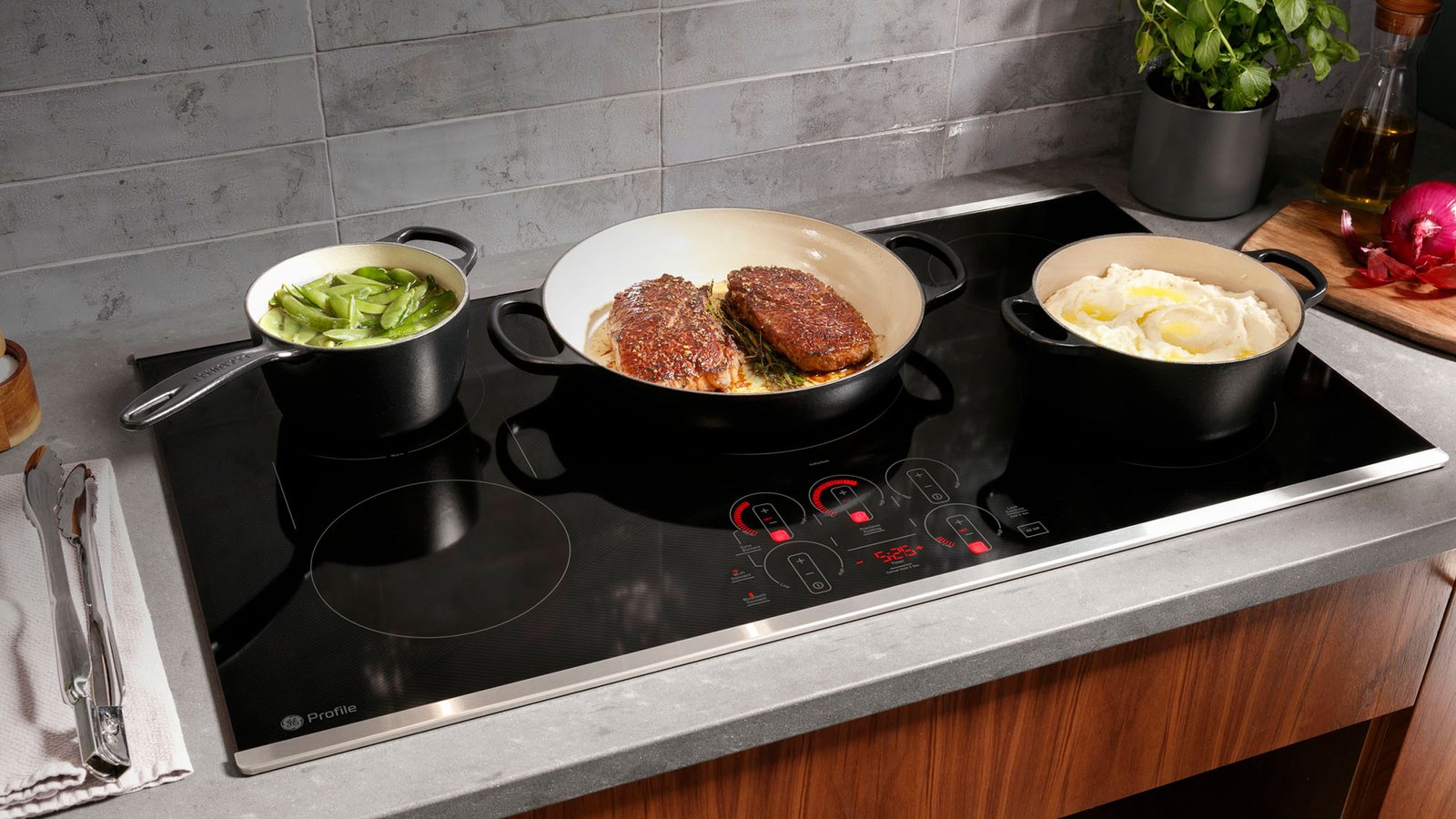
Switching from a traditional flame to modern magnetic technology can feel like a major shift in the kitchen. However, mastering induction cooking tips is the fastest way to embrace a safer, more efficient, and incredibly precise culinary experience. Unlike gas or traditional electric coils, induction uses electromagnetic energy to heat the cookware directly, leaving the cooktop surface cool to the touch. This transition offers unparalleled temperature control and faster boiling times. Whether you are looking to reduce your carbon footprint or simply want a cooler kitchen environment, these easy ways to cook without gas will elevate your home cooking.
1. Check Your Cookware Compatibility
Before you start, ensure your pots and pans are induction-ready. Induction requires magnetic materials like cast iron or stainless steel. A simple way to test this is by placing a refrigerator magnet on the bottom of your pan; if it sticks firmly, you are ready to cook.
2. Prioritize Flat-Bottomed Pans
Induction works through a magnetic field, so a flat bottom is essential for a consistent connection. Avoid warped pans or traditional round-bottomed woks, as the gap between the glass and the metal will lead to uneven heating or the cooktop failing to activate.
3. Match the Burner Size
For maximum efficiency, use a pot that closely matches the size of the induction ring. While induction is forgiving, using a tiny pan on a large “burner” can sometimes prevent the sensors from detecting the cookware, leading to wasted energy or no heat at all.
4. Understand the Instant Heat
One of the best induction cooking tips is to be prepared for speed. Induction heats up significantly faster than gas. You won’t have several minutes to chop onions while the oil warms up; it happens almost instantly, so have your ingredients prepped and ready.
5. Utilize the “Power Boost” Feature
Most modern induction cooktops come with a “Boost” or “Power” mode. This is perfect for boiling a large pot of water for pasta in record time. Use it sparingly for boiling, as it provides an intense burst of energy that can scorch delicate foods.
6. Precise Temperature Control
Induction allows for incremental temperature adjustments that gas simply cannot match. You can set the heat to a specific low wattage to melt chocolate or butter without a double boiler, eliminating the risk of burning or seizing your ingredients.
7. Keep the Surface Clean
A major benefit of cooking without gas is the flat glass surface. Keep it free of grit and sugar. Since the cooktop itself doesn’t get hot, spills won’t bake onto the surface, making it easy to wipe down with a damp cloth immediately.
8. Avoid Sliding Your Pans
While the glass is durable, sliding heavy cast iron across it can cause scratches over time. Get into the habit of lifting your pans to move them. This preserves the sleek look of your appliance and prevents micro-scratches that dull the finish.
9. Silent Operation and Fan Noise
Don’t be alarmed if you hear a soft humming or the sound of a cooling fan. This is normal for induction technology. The hum is often the magnetic coils working, and the fan helps keep the internal electronics cool during long cooking sessions.
10. Use a Protective Mat
Because the surface doesn’t get scorching hot, you can actually place a thin silicone mat or a piece of parchment paper between the cooktop and the pan. This prevents scratches and catches splashes, making cleanup even easier than before.
11. The Paper Towel Trick
For messy frying, you can lay a paper towel over the induction zone before placing your pan on top. The towel won’t burn because there is no open flame, and it will soak up all the grease splatters, leaving your cooktop pristine.
12. Adjust Your Timing
Because induction is more efficient, your traditional recipes might cook faster. Keep a close eye on your food during the first few weeks. You may find that a 10-minute simmer on gas only takes 7 minutes on an induction surface.
13. Safety First with Sensors
Induction cooktops feature automatic shut-off sensors. If you lift the pan to toss ingredients, the heat stops immediately. Once you place the pan back down, the connection restores. This is a fantastic safety feature that prevents accidental burns or fires.
14. Perfect for Simmering
Gas flames can flicker and go out at very low settings, but induction remains steady. This makes it the superior choice for slow-cooking stews or keeping sauces warm for hours without the temperature fluctuating or the liquid drying out too quickly.
15. Mastering the Sear
To get a perfect sear on a steak, let your cast iron pan preheat on a medium-high setting for a minute. Induction provides very even heat distribution across the base of the pan, ensuring your meat develops a beautiful, uniform crust every time.
16. Energy Efficiency Benefits
Induction is roughly 90% efficient, compared to about 40% for gas. By choosing this method, you are ensuring that almost all the energy goes directly into the food rather than heating up your kitchen, saving you money on utility bills.
17. Digital Precision
Unlike a gas knob where you guess the flame height, induction uses digital levels. Note down the specific number (e.g., Level 4 for pancakes) so you can replicate your cooking results perfectly every single time you make a specific dish.
18. Dealing with Pan Vibration
If you hear a high-pitched whistle, it might be the layers of your “clad” cookware vibrating. Simply reducing the heat slightly or using a heavier pan usually stops the noise. This is a common characteristic of high-quality multi-ply stainless steel.
SEO Meta Description
Learn essential induction cooking tips and easy ways to cook without gas. Master temperature control, cookware compatibility, and energy-efficient kitchen habits.
Focus Keywords
- Induction cooking tips
- Cook without gas
- Induction cooktop benefits
- Energy efficient cooking
- Kitchen safety tips
- Induction friendly cookware
- Modern kitchen technology
FAQ Section
Q: Do I need special pans for induction? A: Yes, your cookware must be magnetic. Look for “induction-ready” labels or check if a magnet sticks to the bottom of your current pots and pans.
Q: Is induction cooking safer than gas? A: Generally, yes. There is no open flame, no risk of gas leaks, and the surface stays relatively cool, significantly reducing the risk of kitchen fires and burns.
Q: Why does my induction cooktop make a clicking noise? A: Clicking is usually the power controllers switching on and off to maintain a steady temperature, or it’s the magnetic field interacting with multi-layered cookware.
Internal Linking Suggestions
- Top 10 Induction-Ready Cookware Sets for 2026 – A guide to the best pots and pans for new induction users.
- How to Transition to an Electric Kitchen – A comprehensive look at moving away from gas appliances for a greener home.
- Fast Weeknight Recipes Optimized for Induction – Meals that take advantage of the rapid heating power of induction technology.
Conclusion
Mastering induction cooking is a rewarding journey that blends technology with culinary art. By following these induction cooking tips, you can enjoy a faster, safer, and more precise way to prepare meals. While the switch from gas requires a small learning curve regarding cookware and timing, the benefits of energy efficiency and easy cleanup are well worth it. Embrace these easy ways to cook without gas and transform your kitchen into a professional-grade workspace.
Author

rajakarni786@gmail.com
Related Posts

Detox Water Recipes: 3 Easy Drinks to Flush Out Toxins
- 0
- 1,327 word
Staying hydrated is the foundation of good health, but plain water can sometimes feel uninspiring. Detox water recipes offer a flavorful, nutrient-rich...
Read out all
PCOS Diet Plan: Best Recipes for Hormonal Balance
- 0
- 1,191 word
Managing Polycystic Ovary Syndrome (PCOS) can feel like a constant uphill battle against your own biology. However, implementing a targeted PCOS diet...
Read out all
Anti-Aging Superfoods: Natural Foods That Prevent Wrinkles
- 0
- 1,166 word
Aging is a natural part of life, but the rate at which our skin shows it is heavily influenced by what we...
Read out all
Post-Workout Desi Meals: Build Muscles Without Protein Shakes
- 0
- 1,107 word
Many fitness enthusiasts believe that achieving a muscular physique requires expensive imported supplements or chalky powders. However, the secret to effective recovery...
Read out all
Magnesium-Rich Snacks: Foods for Mental Peace and Better Sleep
- 0
- 1,141 word
If you find yourself tossing and turning at night or feeling an underlying sense of restlessness during the day, your diet might...
Read out all
Gluten-Free Flour Options: The Right Way to Use Millet, Sorghum, and Corn
- 0
- 1,208 word
Navigating the world of gluten-free baking often feels like a complex science experiment, but mastering specific grains can transform your kitchen results....
Read out all